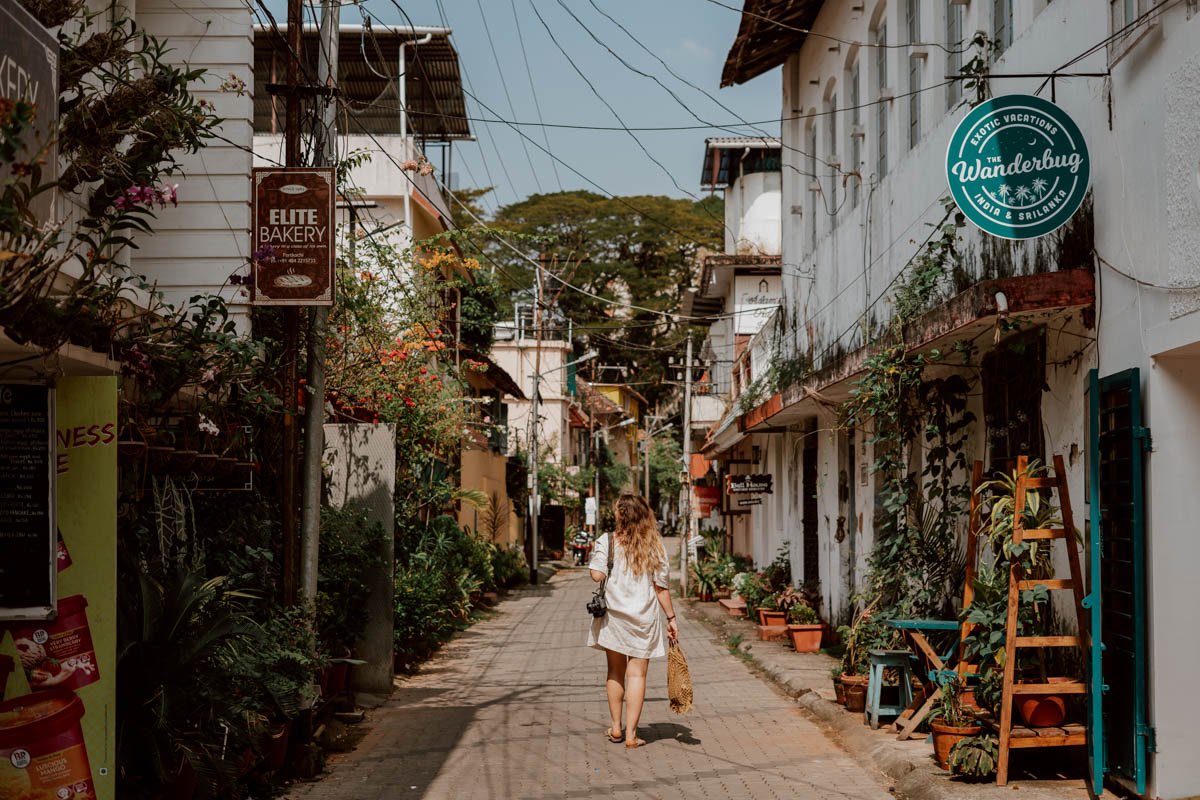
The Art of Slow Travel: Redefining Leisure Getaways in 2024

Introduction & Background
In a world that constantly moves at the speed of social media updates and fleeting attention spans, the idea of slowing down might seem like a radical act. Yet, 2024 is witnessing a quiet revolution in travel philosophy, one that encourages travelers to trade rushed itineraries for immersive experiences. The art of slow travel is not just a trend but a response to the exhaustion of modern life, offering a pathway to deeper connections with destinations and cultures. As people increasingly seek meaning over momentary thrills, slow travel emerges as a sustainable and fulfilling alternative to conventional tourism. This shift reflects a broader cultural awakening, where the journey itself becomes the destination, and every pause enriches the traveler’s soul.
Concept & Overview
Slow travel is a mindful approach to exploration that prioritizes depth, presence, and sustainability over speed and quantity. Unlike traditional vacations that cram multiple cities into a single trip, slow travel invites travelers to spend extended periods in one place, allowing time to absorb the local rhythm, engage with residents, and savor everyday moments. The concept draws inspiration from the slow food movement, which champions quality, locality, and tradition. In travel, this translates to choosing fewer destinations, staying longer, and immersing oneself in the fabric of a community. The philosophy is rooted in the belief that travel should be transformative, not transactional, and that the most meaningful experiences often unfold when time is not a constraint.
At its core, slow travel is about intentionality. It rejects the idea that more is better, instead embracing the idea that deeper is richer. This approach aligns with the growing demand for sustainable and ethical tourism, as it minimizes environmental impact by reducing frequent transportation and supports local economies through prolonged stays. In 2024, slow travel has evolved beyond a niche practice into a mainstream movement, fueled by a collective desire to reconnect with the world in a more authentic and mindful way.
Key Features & Highlights
- Extended Stays: Slow travel encourages spending at least a week, if not a month, in a single location. This allows travelers to develop a sense of place and familiarity with their surroundings.
- Local Immersion: Rather than visiting tourist hotspots, slow travelers seek out local markets, family-run restaurants, and community events to experience the destination through the eyes of its inhabitants.
- Sustainable Practices: By reducing carbon footprints through fewer flights and longer stays, slow travel aligns with eco-friendly principles, making it a responsible choice for environmentally conscious explorers.
- Cultural Exchange: Staying in homestays, guesthouses, or participating in cultural workshops fosters meaningful interactions with locals, breaking down barriers and enriching the travel experience.
- Flexible Itineraries: Slow travel rejects rigid schedules, allowing spontaneity and detours to unfold naturally. This flexibility often leads to unexpected discoveries and serendipitous moments.
- Mindful Engagement: Whether it’s learning a traditional craft, volunteering, or simply observing daily life, slow travel emphasizes presence and curiosity over checklist ticking.
Frequently Asked Questions / Pros & Cons
What exactly is slow travel, and how does it differ from traditional travel?
Slow travel is a deliberate and unhurried approach to exploration that focuses on depth and connection rather than speed and quantity. Unlike traditional travel, which often involves cramming multiple destinations into a short period, slow travel encourages spending extended time in one place to fully experience its culture, people, and environment. Traditional travel might prioritize ticking off landmarks or landmarks, while slow travel prioritizes understanding the essence of a place.
Is slow travel only for retirees or those with unlimited time?
Not at all. Slow travel is adaptable to various lifestyles and time constraints. While retirees or digital nomads with flexible schedules may find it easier to embark on extended trips, anyone can practice slow travel by dedicating more time to fewer destinations. Even weekend getaways can be transformed into slow travel experiences by focusing on a single town or activity rather than rushing through multiple sites.
Does slow travel cost more than traditional travel?
Costs can vary depending on how you approach slow travel. Staying longer in one place often allows travelers to benefit from lower long-term rental rates or local discounts compared to frequent hotel changes. However, slow travel may require a larger upfront time commitment, which can be a challenge for those with limited vacation days. Ultimately, the financial aspect depends on the destination and personal choices, such as accommodation and dining preferences.
How can I practice slow travel if I have a tight budget?
Slow travel can be budget-friendly with careful planning. Consider staying in local guesthouses, hostels, or even home exchanges to reduce accommodation costs. Eating at local eateries, cooking your own meals when possible, and using public transportation are also effective ways to save money. The key is to prioritize experiences over expenses, focusing on what the destination offers for free or at a low cost.
What are the environmental benefits of slow travel?
Slow travel significantly reduces carbon emissions by minimizing frequent flights and long-distance travel between destinations. Staying longer in one place lowers the overall environmental impact of transportation and supports sustainable tourism practices. Additionally, slow travelers are more likely to engage in eco-friendly activities, such as walking tours, cycling, or participating in conservation efforts, further contributing to environmental preservation.
Can slow travel be combined with remote work or digital nomadism?
Absolutely. The rise of remote work has made slow travel more accessible to professionals. Many slow travelers are digital nomads who choose to base themselves in one location for weeks or months, allowing them to work while immersing themselves in the local culture. This blend of work and leisure not only enhances productivity but also enriches the travel experience through deeper cultural integration.
Practical Guidance & Solutions
Planning Your First Slow Travel Experience
Start by selecting a destination that resonates with your interests, whether it’s a coastal village, a historic city, or a rural countryside. Research local customs, festivals, and hidden gems to create a loose itinerary that prioritizes flexibility. Consider booking accommodations that offer a home-like atmosphere, such as apartments or guesthouses, to foster a sense of belonging.
Balancing Slow Travel with Work Commitments
If you have a job that requires frequent travel, plan your slow travel adventures during extended breaks or vacations. For remote workers, choose destinations with reliable internet and coworking spaces to maintain productivity. Set boundaries between work and leisure to avoid burnout, ensuring that your slow travel experience remains rejuvenating rather than stressful.
Finding Slow Travel-Friendly Accommodations
Look for homestays, farm stays, or boutique hotels that emphasize local experiences and sustainability. Platforms like Airbnb, HomeExchange, and specialized slow travel websites can help you find accommodations that align with your values. Prioritize places that offer kitchen access, as preparing your own meals can enhance the slow travel experience and save money.
Engaging with Local Communities
Attend local events, join workshops, or volunteer to connect with residents on a deeper level. Learning a few phrases in the local language can open doors to meaningful interactions and show respect for the culture. Avoid tourist traps by seeking recommendations from locals or online communities dedicated to slow travel.
Sustainable Packing for Slow Travel
Pack light and versatile clothing that suits the climate and cultural norms of your destination. Bring reusable items like water bottles, shopping bags, and utensils to minimize waste. Consider the environmental impact of your gear and choose sustainable brands when possible. The goal is to travel responsibly without compromising comfort or convenience.
Conclusion
The art of slow travel is more than a trend; it is a return to the essence of what travel should be. In a fast-paced world, it offers a sanctuary of presence, connection, and sustainability. By embracing slower rhythms, travelers in 2024 are not only discovering new places but also rediscovering themselves. Whether through a month-long stay in a charming village or a weekend retreat in a nearby town, slow travel invites us to savor the journey as much as the destination. As this movement continues to grow, it challenges us to redefine leisure, prioritize meaning over speed, and cultivate a deeper appreciation for the world around us. The slow travel revolution is here, and it promises a more fulfilling way to explore our planet.