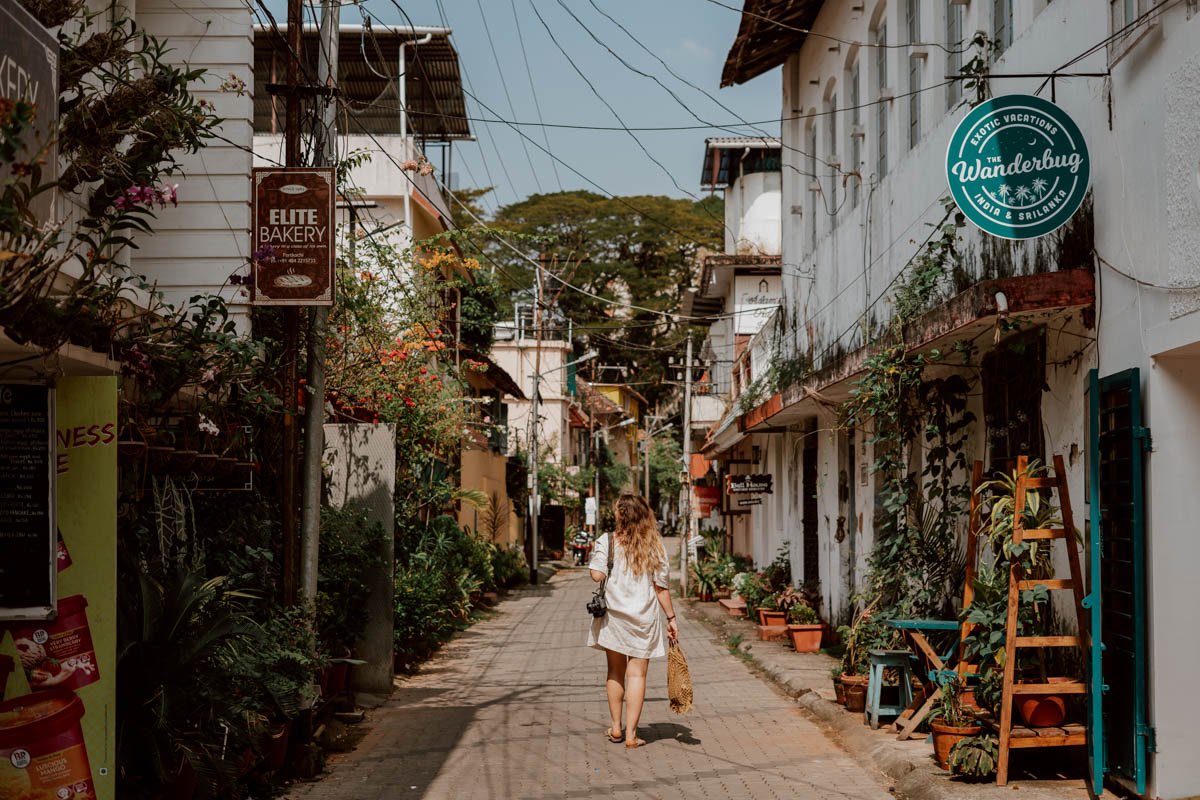
The Rise of Slow Travel: Redefining Leisure in the Fast Lane

Introduction & Background
In a world where speed often dictates success, the concept of travel has followed a similar trajectory. Modern society celebrates the rush of ticking off destinations from a checklist, prioritizing quantity over experience. Yet, as the pace of life accelerates, a growing number of travelers are questioning this approach, seeking instead a deeper connection to the places they visit. This shift has given rise to the slow travel movement, a deliberate and mindful way of exploring the world that prioritizes immersion, sustainability, and personal growth. Slow travel is not merely a trend but a reflection of a broader cultural desire to reconnect with what truly matters: meaningful experiences over fleeting moments. As the fast lane of global life shows signs of strain, slow travel emerges as a gentle yet powerful alternative, inviting us to pause and savor the journey.
Concept & Overview
Slow travel is rooted in the philosophy of slowing down to fully experience a destination, rather than rushing through it. Inspired by the slow food movement of the 1980s, which championed local, sustainable food practices, slow travel extends this ethos to tourism. It emphasizes quality of experience over quantity of destinations, encouraging travelers to stay longer in fewer places, engage with local cultures, and travel in ways that minimize environmental impact. At its core, slow travel is about intentionality. It asks travelers to consider not just where they are going but why they are going there, fostering a deeper understanding of both the world and themselves. This approach values connection over consumption, presence over performance, and sustainability over speed.
The movement aligns closely with the principles of sustainable tourism, community-based travel, and experiential learning. It rejects the notion that travel must be a whirlwind of activities and instead promotes a more organic, reflective, and enriching way to explore. Slow travel is not defined by a specific itinerary or mode of transport but by a mindset. Whether by train, bicycle, or foot, the focus remains on the journey as much as the destination, allowing travelers to rediscover the joy of discovery at a human pace.
Key Features & Highlights
- Extended Stays: Slow travel prioritizes spending weeks, months, or even seasons in a single location rather than a few days in multiple places. This allows travelers to settle in, observe daily life, and form genuine connections with locals.
- Local Immersion: Instead of relying on tourist hotspots, slow travelers seek out authentic experiences. This might mean shopping at neighborhood markets, dining at family-run eateries, or participating in local festivals and traditions.
- Sustainable Transport: Choosing slower, more eco-friendly modes of transport is a hallmark of slow travel. Trains, buses, bicycles, and even walking are preferred over flights and rental cars, reducing carbon footprints and enhancing the travel experience.
- Cultural Exchange: Slow travel encourages meaningful interactions with people from different backgrounds. Staying in guesthouses, volunteering, or homestays fosters mutual understanding and breaks down barriers between cultures.
- Mindful Exploration: This approach emphasizes being present in the moment. Whether it’s watching the sunrise over a quiet countryside or savoring a meal with new friends, slow travelers savor the small, often overlooked details of their surroundings.
- Support for Local Economies: By spending money in local businesses rather than international chains, slow travelers contribute directly to the communities they visit, helping preserve traditions and livelihoods.
Frequently Asked Questions / Pros & Cons
What exactly is slow travel, and how is it different from traditional tourism?
Slow travel is a mindset that prioritizes depth of experience over the number of destinations visited. Unlike traditional tourism, which often involves quick visits to major attractions with minimal engagement, slow travel encourages travelers to stay longer, explore less, and connect more deeply with their surroundings. It’s about quality of interaction rather than quantity of sights.
Is slow travel only for retirees or those with unlimited time?
Not at all. While slow travel often appeals to retirees or digital nomads with flexible schedules, it can be adapted to any traveler’s circumstances. Even short trips can incorporate slow travel principles, such as choosing one primary destination instead of multiple stops or spending a day exploring a single neighborhood thoroughly.
Does slow travel cost more than traditional tourism?
Not necessarily. While extended stays in one place can sometimes be more affordable due to lower daily costs (such as accommodation discounts for longer bookings), slow travel may require a bigger upfront investment in transport. However, by focusing on local experiences and avoiding tourist traps, travelers often find that their overall spending is more balanced and meaningful.
How can I practice slow travel if I have a limited vacation time?
Start small. Choose one destination as your primary focus rather than trying to cover multiple cities. Opt for slower modes of transport, such as trains instead of flights. Spend time in one neighborhood, visiting local markets, parks, and cafes. Even a weekend can be transformed into a slow travel experience with intentional planning.
What are the environmental benefits of slow travel?
Slow travel significantly reduces carbon emissions by minimizing air travel and favoring overland routes. It also encourages support for local, sustainable businesses rather than large-scale tourism operations that often have a higher environmental impact. Additionally, by staying longer in one place, travelers can reduce the overall footprint of their trips.
Potential challenges of slow travel
- Time Constraints: The biggest hurdle for many travelers is limited vacation time, making extended stays difficult.
- Logistical Challenges: Booking long-term accommodations or arranging slow transport can be more complex than traditional travel.
- Social Pressure: Friends or family may not understand the appeal of slow travel, especially if it means missing out on popular tourist spots.
- Adaptability: Slow travel requires flexibility and openness to unexpected experiences, which can be challenging for those who prefer structured itineraries.
Practical Guidance & Solutions
Adopting slow travel doesn’t require a complete overhaul of your travel habits. Instead, it’s about making mindful choices that align with your values and circumstances. Begin by rethinking your itinerary. Instead of planning a whirlwind tour of five cities in two weeks, consider focusing on one or two locations. This doesn’t mean missing out on experiences but rather allowing yourself the time to absorb them fully.
Choose your transport wisely. Trains are often the most scenic and relaxing way to travel between destinations. They offer a chance to see the landscape unfold at a human pace, and many countries have excellent rail networks that make this a viable option. If flying is unavoidable, consider offsetting your carbon emissions or choosing airlines committed to sustainability.
Engage with the local community. Stay in locally owned accommodations, eat at family-run restaurants, and seek out experiences that connect you with residents. This might mean taking a cooking class, joining a local hike, or volunteering for a few hours. Even small interactions can lead to profound insights and lasting memories.
Be open to spontaneity. Slow travel thrives on the unexpected. Allow room in your schedule for unplanned detours, conversations with locals, or simply sitting in a park watching the world go by. These moments often become the most cherished parts of a trip.
Finally, embrace the art of doing nothing. Slow travel isn’t just about seeing new places but also about rediscovering the joy of stillness. Whether it’s reading a book in a quiet café or watching the sunset from a bench, these pauses are essential to the experience.
Conclusion
In an era where life moves at breakneck speed, slow travel offers a refreshing counterpoint. It reminds us that the most valuable journeys are not measured in miles or monuments but in moments of connection, understanding, and presence. As the world becomes increasingly interconnected yet fragmented, the slow travel movement provides a path to rediscover what it means to truly explore. It challenges us to trade the checklist for curiosity, the rush for reflection, and the superficial for the sincere. Whether you’re a seasoned traveler or someone looking to infuse more meaning into your next trip, slow travel invites you to step off the fast lane and savor the journey. After all, life is not a race, and the best adventures are often those that unfold at their own pace.